The Influence of Music and Dance on Body Culture in Africa
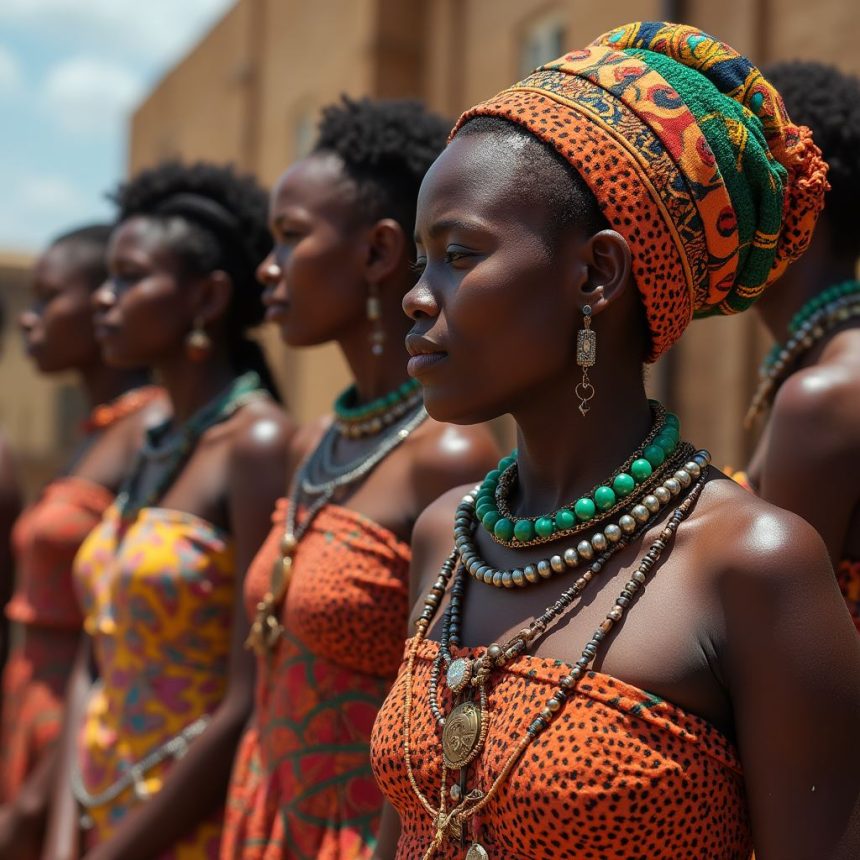
African cultures excel in their colorful and unique musical and dance practices. Music and dance are an inseparable part of the daily lives of Africans, influencing their body culture immensely.
Connecting with the body is connecting with our bones, with the heritage of our ancestors
Aharon Cohen – Spiritual Guide

Dances like the Mazurka, Goma, and Samba are just a part of the wide variety of African dances spread across the continent. Each dance carries with it a folkloric and traditional story, reflecting the history and culture of the people it represents.
African music is diverse and rich, blending perfectly with dances. Every sound and step brings a sense of joy and rhythm, reminding the people of their African roots and origins.
Music and dances in African cultures strengthen social and familial bonds among people. They allow individuals to express their emotions and thoughts uniquely, promoting peace and unity.
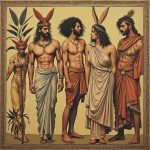
In conclusion, music and dances in African cultures are an integral part of the people’s body identity and culture. They add color and character to everyday life, promoting joy and camaraderie within the community. They are central elements in creating strong social connections and building a responsive and united community.
2. Symbols and Body Art in Local Cultures
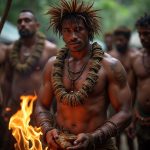
In African cultures, the body serves as a central symbol of their culture. Through the body, emotions, religions, and beliefs are expressed. Each part of the body represents unique and deep meanings.
In many African cities, traditional body art based on local culture can be found. Certain dances mark important events in the community’s life, serving as a way to convey social and political messages.
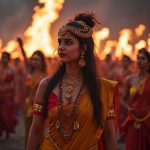
In cultures like Nigeria and Ghana, ceremonies and parties use the body as a tool for creative expression and art. Every movement and color are used to create magnificent artistic works.
Body symbols in African cultures are primarily created through body shape imitations and the use of special colors. They are used to emphasize religious, social, and personal themes.
In summary, body cultures in African cultures offer a wide variety of artistic works and symbols used to express beliefs, values, and social messages. The body in these cultures is a powerful and central symbol, existing as an important symbol in community life.
3. Prayer and Belief Culture as a Factor of Changes in the Body in African Cultures
African cultures contain numerous values and traditions that influence the bodies of people in those communities. One of the most central values in African cultures is prayer and belief culture. The importance of faith and prayer in the daily lives of people in these cultures is deeply understood and directly affects their bodies and souls.
In African cultures, prayer and belief are central factors in people’s lives. Prayer and belief processes are performed regularly and vary according to each community’s traditions and myths. Belief in higher powers and their influence on human lives gives them a sense of security and peace, influencing their belief system.
Additionally, prayer and belief directly influence the body of the individual. During prayer processes, people in African cultures use physical movements and physical mechanisms that affect their body system. The flow of energy in the body changes according to the prayer processes, creating changes in the person’s energy level and mood.
In conclusion, prayer and belief culture in African cultures are a central factor in changes in the body and soul of people in those communities. Deepening faith and prayer practices affect their daily lives and their sense of security and peace. Thus, this culture offers a unique approach to understanding the connection between spirituality and the body, providing one way to understand the whole person within the African cultural framework.
Theater and Physical Performances in Local Culture
The body culture in African cultures is reflected magnificently in theater and physical performances. Local culture allows people to express themselves through movement, dance, and sensory experiences.
In African cultures, the body serves as a tool for expressing emotions, values, and social messages. Physical performances come to life through sharp movement, slow and sensual dancing, and creative and unexpected use of space.

In local culture, theater and physical performances also serve as tools for social connection and strengthening relationships among people. In their creation, music, colors, and objects are used to create multi-sensory experiences that enhance the connection between participants.
Body culture is an inseparable part of our identity, we shall conquer it with love and honor
Michael Cohen – African Culture Researcher
In conclusion, body culture in African cultures offers a unique and fascinating approach to self-expression and the creation of deep social connections through theater and physical performances.
The Influence of Food and Local Cuisine on Body Culture in Africa
The body culture in African cultures reflects the deep connection between food, local cuisine, and the body. Food in Africa is not just a source of nutrition but also an inseparable part of the cultural identity of the individual, family, and community. The local cuisine reflects the tradition, beliefs, and folk values of the African people.

The use of local, fresh, and natural food directly affects the body’s health and energy levels. The role of food in body culture in Africa is not only to bring physical well-being but also to connect spiritually and socially among people. In African families, meal times unite fathers, mothers, children, and family members around the table.
Local cuisine in Africa combines a wide variety of herbs, fruits, meat types, and spices uniquely. Each culture in Africa offers a variety of traditional dishes for holidays, special events, or simply for everyday life. Each dish combines flavors, scents, and colors that provide a rich and fascinating eating experience.
Ultimately, body culture in Africa teaches us about the importance of cultural identity and the deep connection between food, local cuisine, and the body. It reminds us that food is not just a means of survival but also a way of connection, joy, and love among people.
Connecting with the body gives us access to moments of truth and honesty, we shall preserve it with care and dignity
Shira Levy – Yoga Instructor