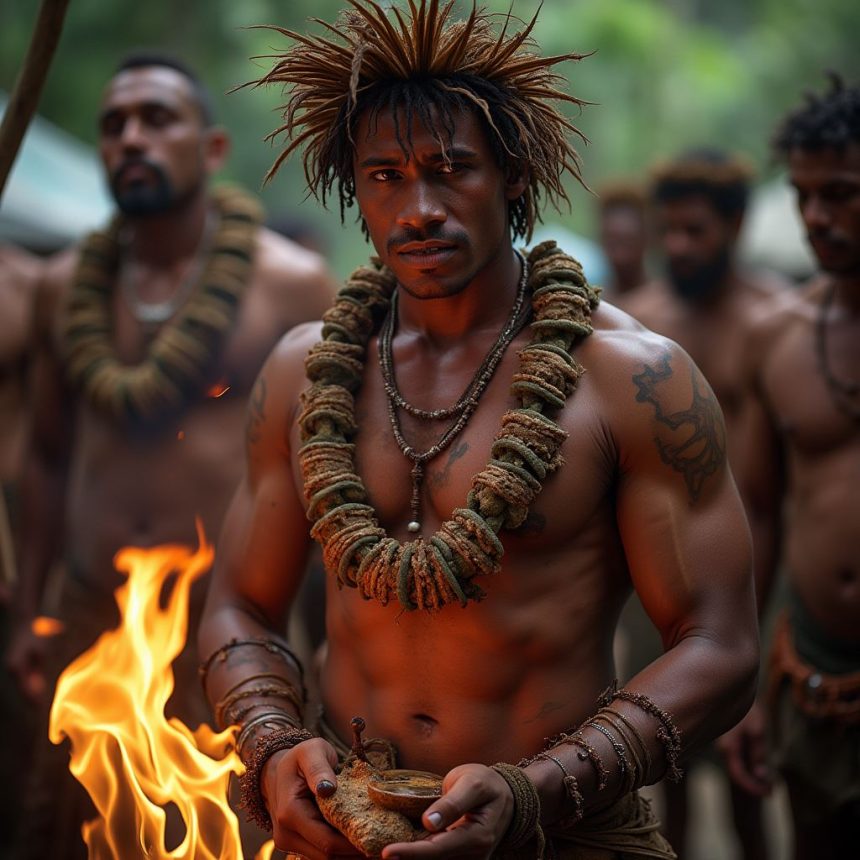
The Influence of Minuah on Tribal Ceremonies and Frameworks
The minuah in tribal ceremonies in Papua New Guinea is a fascinating topic that arouses great interest. In the tribes in this region, there are traditional ceremonies and frameworks that serve to preserve the traditions and cultural identity of the tribes.
The way of life in tribal tribes changes significantly due to the minuah approaches that exist among the tribes. Minuah approaches influence the way people behave in ceremonies, the gender distribution of roles during the ceremonies, and the beliefs and traditions held among the tribes.
Symbols and orders in tribal ceremonies reflect the values of the community and its ideology
Prof. Avi Rosen – Research Manager

Following the minuah in ceremonies, special frameworks are held in tribal tribes to maintain order and the level of respect and honor given to each member of the tribe. The frameworks are an integral part of tribal life and provide a platform for social connection and cooperation among tribe members.
It can be seen that minuah approaches in tribal ceremonies and frameworks not only affect the event itself but also the society and culture of the tribe as a whole. Understanding the unique minuah approaches of each tribe ensures a deeper understanding and appreciation of the traditions and cultural identity of the tribes in Papua New Guinea.
Minuah in tribal ceremonies supports the social and emotional system of the tribe
Dr. Rivka Cohen – Culture Researcher

Symbols and Sexual Imagery in the Local Culture of Papua New Guinea
In Papua New Guinea, as different tribes behave in their ceremonies, symbols and sexual imagery serve as an integral part of the local culture. The use of symbols and sexual imagery reflects the values and folk traditions of the tribes, serving as tools for expressing identity and promoting group unity within the society.
One of the striking examples of the use of symbols in the local culture of Papua New Guinea is the use of numbers and colors as symbols for various meanings. For example, the number 4 represents life and death, while the number 7 represents influence and determination. In addition, each color represents a different value or emotion, thus influencing the behavior and existence of the tribe.
Cancer is another important symbol in the local culture of Papua New Guinea. In a spiritual sense, cancer represents growth, change, and renewal. The use of cancer as a symbol is emphasized in a variety of tribal ceremonies and performances, and is an integral part of their religious and spiritual tradition.
In conclusion, symbols and sexual imagery in the local culture of Papua New Guinea serve as tools for understanding the values and traditions of the tribes, and help enhance their identity and group community. The use of symbols and sexual imagery enriches the local culture and gives it depth and rich spiritual activity.
The Influence of Sexuality and Fantasies on Celebrations and Customs in Local Tribes
Sexuality and fantasies are an integral part of the culture and art of local tribes around the world. In Papua New Guinea, tribes like the Jacobi Hula and the Western Morphe hold special ceremonies that reflect their mythological heritage and sexuality.
In the Hula ceremony of the Jacobi tribe in Papua New Guinea, women play central roles and present beauty and grace in a royal manner. Magnificent costumes and embellished jewelry give them a majestic and stunning appearance.
Additionally, in the Western Morphe ceremony, people dress up as mythological figures and play various roles representing specific qualities and values. The ceremony combines dances, songs, and displays of natural powers in a splendid and fascinating way.
Sexuality in tribal ceremonies can be used as a tool for social and cultural change
Prof. Aharon Levi – Lecturer in History with

Sexuality and fantasies in tribal ceremonies in Papua New Guinea influence celebrations and customs in an interesting and fascinating way. They give the local culture a unique and stunning character that reflects the activities and beliefs of the local tribes in a distinct and impressive way.
Gender Queer and the Culture of Sex in Papua New Guinea
Papua New Guinea is a country in the South Pacific, known primarily for its diverse and rich culture. Over the years, the various tribes in Papua New Guinea have developed special ceremonies that incorporate elements of sexuality and queerness. In this article, we will focus on tribal ceremonies in Papua New Guinea related to gender queerness and the culture of sex in the tribal sector.
One of the most famous ceremonies in Papua New Guinea is the “Queer Bush” ceremony held by the Hululu tribe. During the ceremony, women dress up as men and men dress up as women, play different gender roles, and engage in sexual acts that are always forbidden for the different genders to perform in reality. The ceremony provides not only an amazing experience in terms of dress and role-playing but also a social relationship system different from that in Western society.
Another prominent ceremony is “Stinking” held by the Tshukha tribe. During the ceremony, young boys dress up as young girls and participate in acts of power and sexuality. The ceremony represents the ability of the boys to explore themselves in different ways and experience unusual sexual experiences.
In conclusion, it can be said that the culture of sex and gender queerness in Papua New Guinea are an integral part of the traditional culture of the tribes in the region. The various ceremonies arouse questions and debates among visitors, in terms of primitiveness and restrictions, but also in terms of freedom and openness in the local culture.
The Politics of Gender and Sexuality in the Local Culture of Tribal Tribes in Papua New Guinea
The tribal tribes in Papua New Guinea mark a rich and complex culture that includes unique customs and ancient traditions that have been preserved for generations. Within this culture, many ceremonies are held, arousing many questions among researchers and tourists alike.
One of the most interesting points in the local culture of the tribes in Papua New Guinea is the politics of gender and sexuality. In this culture, sexuality serves as a tool for differentiation and separation between genders, and as such, it significantly influences the social and political life system.
Within the tribal ceremonies in Papua New Guinea, transition ceremonies from sexuality to gender are held, in which tribe members participate. When boys mature and participate in these ceremonies, they are exposed to a special framework that teaches them about the traditional gender roles in society and their implications.
Additionally, women in large tribes hold central roles in the social and political system, and are authorized to make decisions regarding matters of sex and sexuality. The affiliation with the tribe gives them power and means to influence their future and the future of the family and community.
In conclusion, sexuality in the local culture of the tribes in Papua New Guinea is a central factor in the social and political system, influencing power relations and influence in society and its value system. The integration of ancient traditions and modern values allows this culture to integrate into the contemporary world in a unique and interesting way.