
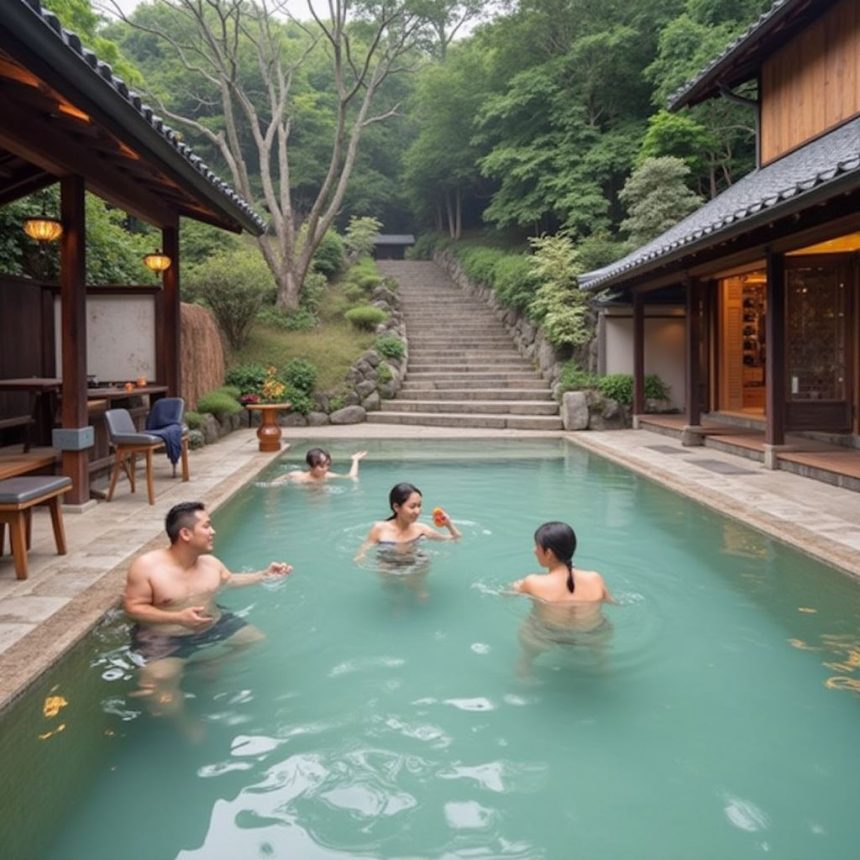
History and Origins of the Onsen Culture in Japan
The Onsen culture in Japan is an integral part of tradition and Japanese culture. Onsen baths are places to relax, heal, and enjoy local knowledge. The origins of the Onsen culture are rooted in deep Japanese history and span hundreds of years.

In Japan, hot springs are not only places to bathe, but also places for healing and rejuvenation. The belief in the healing powers of Onsen waters is deep and passed down from generation to generation. Many believe that hot waters help alleviate pain and health issues, as well as aid in the healing of body and soul.
The romantic nature of Onsen baths makes them popular places for couples and honeymooners. The opportunity to share a shared experience and relax together in an atmosphere of tranquility and peace creates a sense of closeness and intimacy for the couple.
The Onsen culture in Japan reflects the values and folk traditions of the country. These places are an intriguing sight for tourists from around the world who seek to enter the traditional and authentic world of Japan.
Trust is the basis of every relationship, even when it comes to a relationship with oneself
Yael Goren – Psychologist
Features and Tourist Centers of Hot Springs in Japan
Hot springs, or Onsen in Japan, are one of the most popular tourist attractions in the country. Mostly made of geothermal mineral waters, they offer visitors a peaceful, romantic, and healing experience. The Japanese culture of Onsen places values such as cleanliness, tranquility, and balance at its core, making them an integral part of daily life for the Japanese.
There are thousands of hot springs in Japan, ranging from large and luxurious resort baths in luxury hotels to small and artistic baths in local inns. They are located throughout the country, from the urban hub of Tokyo to small villages around the Japanese Alps. Each region in Japan offers hot springs with unique features tailored to its geographical and cultural area.
The most popular Onsen in Japan are located in areas like Hakone and the Japanese Alps. Hot tourist centers like Hakone and the Hot Springs offer visitors a variety of Onsen with panoramic views and advanced spa services. Additionally, there are hot springs located in natural settings that offer an unforgettable experience of tranquility and intimacy.
After the bath, it is customary to wear a Yukata, a traditional Japanese garment, and relax in a rest room to unwind and enjoy the soothing sounds of nature. Each Onsen also offers a variety of activities and medical treatments, making them perfect for visitors looking to relax and rejuvenate body and soul.
Experiences and Success Stories of Visitors to Onsen in Japan
Onsen in Japan are not just hot baths, but an integral part of Japanese culture. Known for their cleanliness and especially their romance, Onsen offer a unique experience that combines body and soul purification with cozy and wonderful romance.
A visit to Onsen is an experience of cleanliness and tranquility, where one can relax and contemplate the surrounding Japanese beauty. Most Onsen are located in unique natural settings and offer stunning views of mountains, valleys, and forests. Many couples choose to visit Onsen during their honeymoon, seeking quiet and romantic moments.
The hot baths in Onsen contain mineral waters that are gentle on the body and provide relaxation and buoyancy. Green tea and Japanese coffee are served during the visit, adding to the romantic and soothing atmosphere.
At Onsen, you can also enjoy unique spa treatments that add another level of romance and indulgence to the experience. Japanese massage treatments help calm the mind and rejuvenate the body, adding moments of relaxation and confidence to the experience.
A visit to Onsen in Japan is an unparalleled experience that combines body and soul purification with romance and tranquility. Many guests return from Onsen with life experiences that stay with them forever.
The Influence of Onsen Culture on Society and Politics in Japan
Onsen culture, or natural hot baths, is an integral part of the daily lives of the Japanese. The hot baths serve as centers of social and spiritual activity in Japanese society, contributing to the preservation of Japanese culture and strengthening social and family ties among people.
Onsen can be found throughout Japan, as the country contains a large number of geothermal hot springs and pools. Over the years, Onsen have become popular tourist sites even among tourists from outside Japan, who seek to experience the traditional Japanese hot bath experience.
Onsen culture not only influences Japanese society but also politics in the country. Hot springs serve as places of meeting and discussion on various topics, and sometimes even serve as platforms for political and social expressions.

Furthermore, Onsen culture influences social relationships among the Japanese, serving as a tool to strengthen relationships between different generations in society. This is because in hot springs, people of all ages meet, social status becomes less important, and the hot springs become important community centers.
Success in this relationship is a matter of timing
Deborah Cohen – Interpersonal Guide
Therefore, Onsen culture is an integral part of the daily lives of the Japanese and influences not only Japanese society and community but also politics and society in the country.
Comparison of Hot Springs in Japan to Hot Springs in Other Countries
Hot springs, or Onsen in Japan, are an integral part of Japanese culture and are sites of relaxation and rejuvenation. While hot springs can be found worldwide today, there are different cultures that hold hot springs and participate in them daily. In this article, we compare hot springs in Japan to hot springs in other countries and highlight the differences and similarities between them.
In Japan, Onsen are places where a spiritual and physical process takes place, where a person enters hot waters at a temperature below 25 degrees Celsius. This process rejuvenates the body and soul and allows for tranquility and contemplation. Additionally, in Japan, there are strict rules in hot springs, such as the need to wash the body before entering the pool and the prohibition of bringing utensils or food into the pool. All this is done to maintain cleanliness and purity of the water and the social experience in the hot springs.
In contrast, in other countries like Spain or Turkey, hot springs can be social centers and places where social and family activities take place. In some hot springs in these countries, you can also find spas and salons that offer grooming and healing services in addition to the hot springs themselves. There are also rules and customs in hot springs in other countries, but they may be different and not as strict as in Japan.
Overall, in Japan and in other countries, hot springs are places where one can relax, release stress, and experience moments of tranquility and contemplation. The differences between Onsen in Japan and hot springs in other countries enrich the hot springs experience and offer different cultures to enthusiasts of relaxation and contemplation.
Important Tips for Traveling to Onsen in Japan and Addressing Cultural Limitations
In Japan, the Onsen culture is an integral part of the daily lives of residents. These hot baths are places of relaxation, romance, and release from daily pressures.
To know ourselves deeply is a bit like knowing the sea in depth
Rebecca Shapira – Emotional Therapist
If you are planning a trip to an Onsen in Japan, it is important to consider some important tips to ensure that your experience is pleasant and without mishaps. First, it is important to consider the various cultural guidelines that exist in Japanese hot springs.
When entering an Onsen, remember to adapt to the cleanliness rules of the place. It is important to wash the body thoroughly before entering the pool and ensure that there are no negative items on the body.
In addition, remember that in Japanese hot springs it is very common to adhere to cultural limitations. For example, most Onsen do not allow entry to people with large tattoos or to pregnant women.

To avoid embarrassing situations and enjoy the experience at Onsen, it is advisable to be impressed by the local culture and adapt your behavior to the place’s guidelines. This way, you can experience the romance and tranquility that characterize Japanese hot springs in the best possible way.